Achilles Tendinitis affects the Achilles Tendon, which can cause pain and inflammation.[1]
A sports injury or a disease response usually causes Achilles Tendinitis.
Irrespective of the cause, the key to effectively managing Achilles Tendinitis lies in your choice of footwear. This decision can significantly empower you in your health journey, allowing you to take control of your condition.
Vionic shoes for Achilles Tendinitis are not just any shoes. They are specifically designed to provide the necessary support and cushioning. These shoes are chosen to help keep the heel and ankle secure, thereby reducing pressure and discomfort, making them an ideal choice for managing Achilles Tendinitis.
If you have a foot condition or ongoing foot pain, talk to a doctor or podiatrist. Shoes can add comfort and support, but they are not a medical treatment.

Achilles Tendinitis Causes and Treatments
Achilles Tendinitis causes pain that occurs gradually because of overuse or a repetitive injury to the Achilles Tendon.[2]
In some cases, a more severe injury may cause Achilles Tendinitis immediately.
A sudden increase in the intensity or duration of an activity such as running or an exercise routine, especially in sports with plenty of stop-and-go motions such as basketball and squatting, can cause much tension in the Achilles Tendon.
The tension can lead to small tears in the tendon, which can become painful and inflamed.
Achilles Tendinitis heel pain is mostly seen in middle-aged men where the Achilles Tendon has weakened with age.
- Causes – Besides overuse injury, a few other risk factors can increase your chances of developing Achilles Tendinitis. Wearing unsupportive shoes, especially when exercising, can cause and further aggravate the condition. Training on hard surfaces can cause a hard impact on your feet and ankles.[3] Certain foot shapes and abnormalities are more likely to cause Achilles Tendinitis, Obesity, and some medical conditions and medications may increase your risk.
- Treatment – There is an easy-to-remember acronym for a home remedy to treat Achilles Tendinitis. It is called RICE, which means rest, ice, compression, and elevation. You will need to take time off exercise and certain routines if you have Achilles Tendinitis to give the Tendon time to heal properly. Elevating your feet and using ice and compression reduces pain and helps with swelling. Lastly, proper supportive shoes, such as stability shoes or shoes that stabilize the heel and ankle, can help while you have the condition and may lower the risk of it coming back.
Choosing Shoes for Achilles Tendinitis
You need to look for certain features in shoes to help with Achilles Tendinitis and to lower the risk of the condition in the future;
- Cushioning – Cushioning in your shoes helps reduce the striking impact on the heel, foot, and Achilles Tendon, stopping pain and inflammation from worsening.[4] A moderate to thick foamy cushioned midsole or footbed is ideal, especially with more heel cushioning.
- Heel Cup and Arch Support – Often, Achilles Tendinitis is caused by having a flat collapsed arch or a very high arch that lacks arch support. So, having proper arch support in your shoes can help fix both issues. Strong arch support in the midfoot area is ideal with a more rigid arch frame. A heel cup can provide better stability for the Achilles Tendon and heel.
- Rocker Sole – A rocker sole shoe rocks back to front when you walk or run and reduces the striking impact on your feet; it will take quite a load off your Achilles Tendons and plantar fascia, thus encouraging better walking habits,
- Roomy Fit – Shoes that are tight and constricting can reduce the foot’s motion and lead to many other issues.[5] They will make you strike harder with the midfoot and forefoot, aggravating Achilles Tendinitis. So always look for shoes with a wider fit and a more roomy toe box.
- No Heel Lift – Most modern running and athletic shoes today have a heel-to-toe lift, which places your feet in unnatural positions. You want a minimal-to-noel-to-toe drop and a more solid sole and heel in your shoes for Achilles Tendinitis.
- Flexibility – A shoe with a more flexible design allows your feet to move much more naturally. Your heel-to-toe transitions are much smoother when walking and running, reducing heel strain and Achilles Tendon strain. A more flexible shoe also ensures much better biomechanics in movement.
Features of a Good Vionic Shoe for Achilles Tendinitis

- Uppers – Vionic shoes for Achilles Tendinitis may have either leather or breathable mesh textile uppers, and some models have nylon uppers. They may also have a textile lining for moisture absorption and adjustable fit uppers. Most of their shoes and sandals offer a more roomy toe box and relaxed fit.
- Cushioning and Support – Vionic shoes have a podiatrist-designed biomechanical footbed that offers arch support and cushioning in all the right areas. Three-zone comfort consists of deep heel cup cushioning and arch support in the midsole. Some models have a flexible Microfiber Covered EVA insole that is removable.
- Outsole – Most Vionic shoe models will have a durable rubber outsole with a low heel-to-toe drop. There are also shoes with EVA soles.
- Options – Vionic shoe models mostly come in wider width options and a variety of colors, ensuring you can select the one that best suits your style and needs, making you feel accommodated and considered.
Key Specs Compared
Numbers match the reviews below (tap to jump).
| No. | Shoe | Type |
|---|---|---|
| 1 | Vionic Walker Classic / Walker Plantar Fasciitis (men's) | Walking Shoe |
– = not stated on the Amazon listing. Specs as stated by the listing, not tested by us; check the listing before you buy.
Reviews: The Best Vionic Shoes for Achilles Tendinitis
Below are some of the best available shoe models from Vionic that are ideal for Achilles Tendinitis.
We hope you love the products we recommend! So that you know, We may collect a share of sales or other compensation from the links on this page.
1
Supportive Cushioned Walking Shoe for Everyday Walks


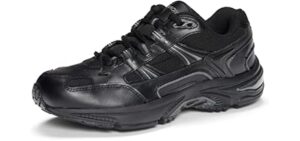


- Vionic Shoes offer stability, cushioning, arch support, and flexibility. The technology helps correct pronation and promotes full-body alignment, a useful trait in Vionic shoes for achilles tendinitis.
- To clean your shoes if needed, use a dry, cotton cloth to wipe away dirt or dust. Do not submerge your supportive shoes in water.
- Vionic Shoes: the fusion between dynamic movement and grounded stability is how the brand’s exclusive VIO MOTION technology solves whole body balance. the brand believe balance is a force within each of us.
- The Vionic Walker lace-up sneaker is designed to keep you moving with maximum comfort and support, the kind of support many people look for in Vionic shoes for achilles tendinitis.
- Full grain water-resistant leather with contrasting overlays for a sporty appeal.
- Breathable, moisture-wicking mesh lining with PU foam base helps reduce friction against skin, which helps keep long stretches of walking comfortable.
- Firm, thermoplastic heel counter provides increased stability and support for all-day wear, a feature worth weighing when comparing Vionic shoes for achilles tendinitis.
Index Table: Top Rated Vionic Shoes for Achilles Tendinitis
| No. | Shoe | Men ♂ | Women ♀ | Features | Brand |
|---|---|---|---|---|---|
| 1 | Vionic® - Supportive Cushioned Walking Shoe for Everyday Walks | 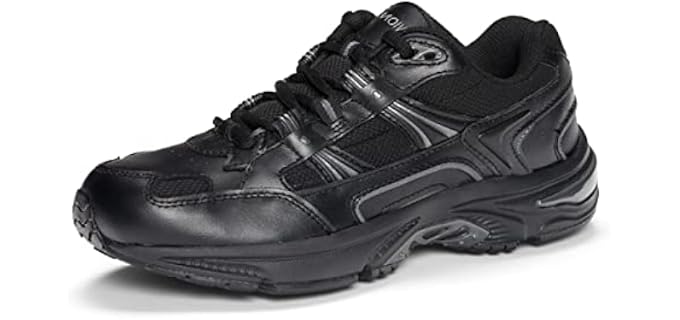 |  |
| Vionic |
Sources
General background on foot health and footwear. This is not medical advice; see a doctor or podiatrist about foot pain or a foot condition.
- MedlinePlus (NIH): Achilles tendinitis
- Cleveland Clinic: Foot Tendonitis
- Canadian Centre for Occupational Health and Safety: Foot Comfort and Safety at Work
- American Academy of Orthopaedic Surgeons (OrthoInfo): Achilles Tendinitis
- American Academy of Orthopaedic Surgeons (OrthoInfo): Athletic Shoes
Update History
- Oct 2026: Updated Vionic Walker Classic to a current in-stock listing
- Oct 2026: Removed Vionic Drift Tokyo, Vionic, Vionic Curran Breilyn, Vionic Amor Mariana and Vionic Walking Velcro (unavailable)
- Jun 2022: First published
Views: 46
