Peripheral neuropathy is nerve damage that typically affects the feet and legs. It can cause burning, tingling, numbness, pain or weakness, and it can make it hard to feel pain or temperature.[1][4] Diabetes is a common cause, and up to one-half of people with diabetes have peripheral neuropathy.[1] When feeling is reduced you may not notice a pebble in your sock or a blister, and small problems can turn into cuts and sores.[2] That is why a well-fitting, protective shoe is worth choosing carefully. Shoes do not treat neuropathy, though.
If you have a foot condition or ongoing foot pain, talk to a doctor or podiatrist. Shoes can add comfort and support, but they are not a medical treatment. Call your doctor right away about a cut, blister or bruise that does not start to heal after a few days, or skin that turns red, warm or painful.[2] If you have diabetes, ask for a foot check at every health care visit and a full foot exam at least once a year.[1]

Why Footwear Matters With Neuropathy
Peripheral neuropathy is very common in people with diabetes, and symptoms are often worse at night.[1] These are common problems for the feet:
- Sores and Slow Healing – When feeling is reduced, a shoe can rub without you noticing, and cuts and sores can become infected. Diabetes can also lower the blood flow to the feet, which makes sores harder to heal.[2]
- Pain, Burning and Tingling – Symptoms include burning, tingling like pins and needles, numbness, pain and weakness. Some people feel extreme pain even when the feet are touched lightly.[1]
- Loss of Feeling – Some people lose feeling in their feet and cannot tell when a shoe is rubbing or when they have stepped on something sharp. The CDC advises never going barefoot, even indoors, and checking inside your shoes for pebbles and other objects before you put them on.[3]
- Balance and Walking Changes – Neuropathy can change the way you walk and cause loss of balance, which may lead to more falls.[1]
- Shape Changes – Rarely, nerve damage from diabetes changes the shape of the foot, as in Charcot foot, which can start with redness, warmth and swelling. If your feet have changed shape, you may need special shoes or inserts (orthotics) from your doctor.[2]
What to Look for in a Shoe for Neuropathy
- Closed Design – A closed shoe protects the toes and heels from bumps and objects underfoot. NIDDK advises wearing shoes and socks at all times, indoors too.[2]
- Extra Room – Make sure the shoes have enough room for your toes. If you have a bunion or hammertoes you may need extra-wide or deep shoes, and pointed toes and high heels put too much pressure on the toes.[2] A smooth, seam-free lining is less likely to rub.
- Breathable – Walking and athletic shoes support the feet and let them breathe, while vinyl and plastic shoes do not stretch or breathe.[2]
- Cushioning – A cushioned insole and a foam or EVA midsole absorb impact. Gel padding in the heel and forefoot adds comfort.
- Protection – A thick rubber outsole, with a firm shank or underfoot plate in some designs, protects the sole of the foot from sharp objects.
- Stability – A contoured footbed or a heel cup steadies the foot, which helps if balance or walking is affected.
Features of a Good Neuropathy Shoe
- Uppers – Breathable and lightweight upper. Seam-free moisture-wicking interior linings. Extra-depth and roomy toe area. Adjustable fit options.
- Widths – Wider width availability.
- Cushioning – A cushioned insole with arch support, gel padding in the heel and forefoot, and a lightweight EVA midsole.
- Outsole – A durable, high-traction rubber outsole.
- Break-In – When you start wearing new shoes, wear them for only a few hours at first and then check your feet for sore spots.[2]
Key Specs Compared
Numbers match the reviews below (tap to jump).
| No. | Shoe | Type | Upper | Closure | Cushioning (as listed) |
|---|---|---|---|---|---|
| 1 | Skechers Go Walk 5 / Energy Afterburn (men's) | Sneaker | Leather and mesh (men's), mesh (women's) | Laces (men's), pull-on (women's) | Ultra Go |
| 2 | Birkenstock Arizona | Sandal | Leather or suede | Not stated | Not stated |
| 3 | New Balance Fresh Foam Arishi V4 | Running Shoe | Mesh | Lace-up | Fresh Foam |
– = not stated by the maker. Specs as stated by the listing, not tested by us; check the listing before you buy.
Our Shoe Picks for Neuropathy
These shoes focus on roomy fits, soft linings and cushioning. Check the current sizes, widths and colors on the web before you order.
We hope you love the products we recommend! We may collect a share of sales or other compensation from the links on this page.
1
Cushioned Sneakers with Different Closures
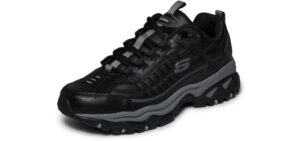
Skechers Energy Afterburn - Men


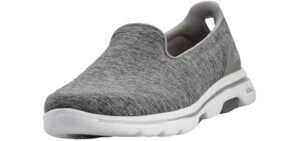
Skechers Go Walk 5 - Women


- Men’s Energy Afterburn: smooth leather and mesh upper with a lace-up closure, a cushioned insole and a shock-absorbing midsole.
- Men’s Energy Afterburn has a heel height of about 1.5 inches and a flexible rubber traction outsole.
- Women’s Go Walk 5 Honor: heathered mesh upper in a pull-on style, machine washable.
- Women’s Go Walk 5: Ultra Go cushioning, an Air-Cooled Goga Mat insole and Comfort Pillar technology for added support, with a dual-density outsole.
- Men’s and women’s versions are listed separately on the web, each with its own size range.
- Check the Product listing for current colors and size availability before you order.
2
Open Cork-Footbed Sandal
Birkenstock Arizona - Men


Birkenstock Arizona - Women


- Upper is oiled leather in the black style and suede in the taupe style, with two adjustable buckle straps.
- Soft cork footbed, contoured to the foot, with a suede lining on the suede style.
- Lightweight synthetic outsole.
- Sold as a unisex style in a few colors and two widths.
3
Cushioned Lightweight Running Shoe for Daily Miles
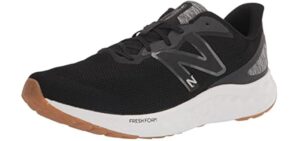
New Balance Fresh Foam Arishi V4 - Men


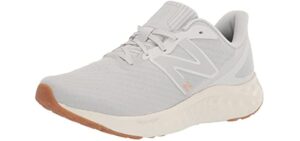
New Balance Fresh Foam Arishi V4 - Women


- Precision-engineered Fresh Foam midsole cushioning helps deliver a soft, cushioned, lightweight ride, which helps keep long stretches of running comfortable.
- Designed for all-day wear and everyday running, this women’s shoe blends soft cushioning with neutral support, a useful trait in shoes for neuropathy.
- Breathable Mesh Upper: a mesh upper with no-sew overlays helps create a sleek fit and feel with breathable comfort, so it is easier to get a secure, comfortable fit for running.
- Durable Rubber Outsole: durable rubber outsole construction supports daily wear, workouts, and everyday athletic activity, a feature worth weighing when comparing shoes for neuropathy.
- Fresh Foam Midsole: soft Fresh Foam cushioning delivers a responsive, comfortable ride that absorbs impact mile after mile on the road.
- Breathable Mesh Upper: lightweight mesh with suede and knit accents promotes airflow and keeps feet cool during runs and daily wear.
- Smooth no-sew overlays reduce irritation and keep weight down while adding midfoot structure and lasting support.
Index Table: Shoes for Neuropathy
| No. | Shoe | Men ♂ | Women ♀ | Features | Brand |
|---|---|---|---|---|---|
| 1 | Skechers® - Cushioned Sneakers with Different Closures | 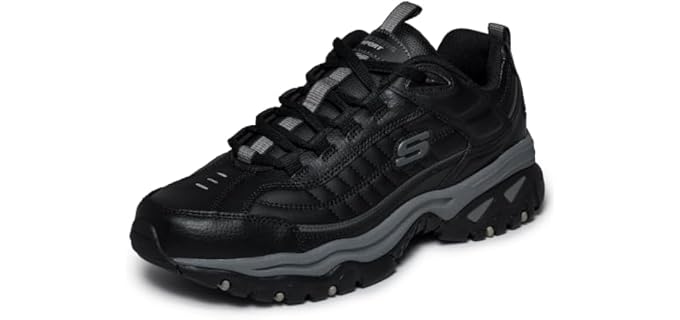 | 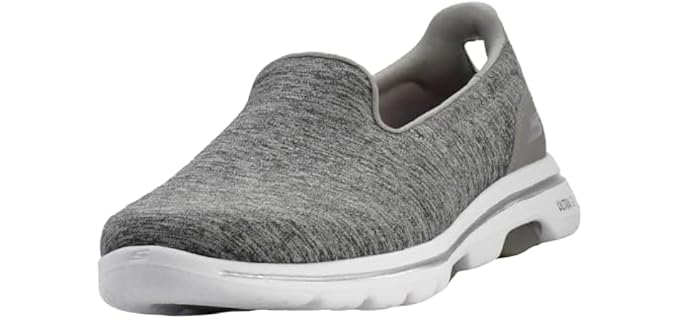 |
| Skechers |
| 2 | Birkenstock® - Open Cork-Footbed Sandal |  |  |
| Birkenstock |
| 3 | New Balance® - Cushioned Lightweight Running Shoe for Daily Miles | 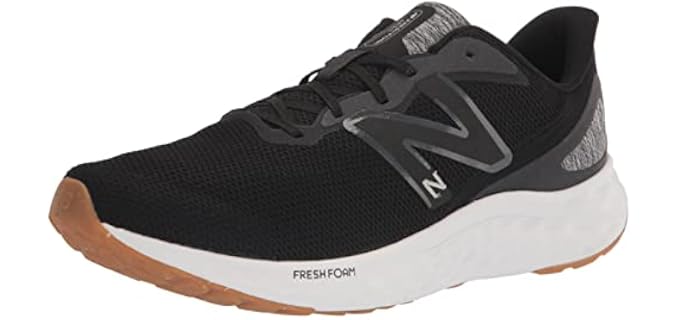 | 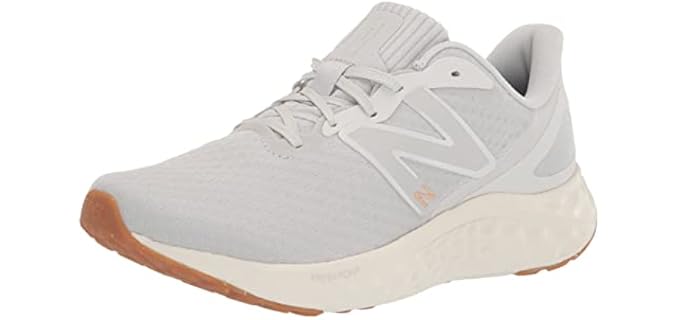 |
| New Balance |
Sources
General background on foot health and footwear. This is not medical advice; see a doctor or podiatrist about foot pain or a foot condition.
- National Institute of Diabetes and Digestive and Kidney Diseases (NIH): Peripheral Neuropathy
- National Institute of Diabetes and Digestive and Kidney Diseases (NIH): Diabetes and Foot Problems
- Centers for Disease Control and Prevention: Your Feet and Diabetes
- National Institute of Neurological Disorders and Stroke (NIH): Peripheral Neuropathy
Update History
- Oct 2026: Updated the Sources list
- Oct 2026: Updated Skechers Go Walk 5 Prized to Skechers Go Walk 5
- Oct 2026: Updated New Balance 420V4 to New Balance Fresh Foam Arishi V4
- Oct 2026: Removed Apis MT. Emey, Orthofeet Celino, Propet Stability ST, Orthofeet Naples, Hoka One Clifton 8 and Adidas EQT (unavailable)
- Nov 2022: Added Hoka One Clifton 8
- Jul 2021: Added Birkenstock Arizona
- May 2020: Added New Balance 420V4 and Adidas EQT
- Feb 2020: First published
Views: 38
